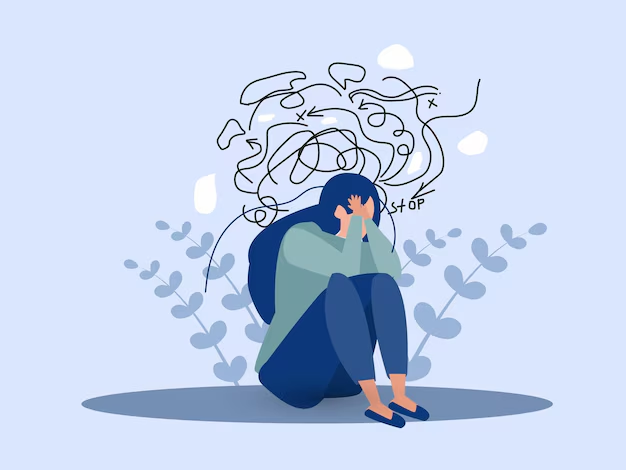
Trauma is not defined by what happens to us, but by how our nervous system and inner world respond to what happened. Many people can experience the same event but they will be impacted very differently. Trauma crushes our ability to cope, process, and return to a sense of safety. For Post‑Traumatic Stress Disorder (PTSD), this can develop when this sense of threat remains active long after the danger has passed. Let’s understand that Trauma is not a weakness or a failure to cope; it is a normal human response to abnormal circumstances.
Trauma can result from events such as accidents, abuse/neglect, loss/bereavement, violence/threat, emotional abandonment, witnessing harm to others etc. Trauma may be single‑incident, developmental, or complex, and it can affect how we relate to ourselves, others, and the world. Most times, many people do not initially identify their experiences as “traumatic,” especially if they learned early on to survive by coping, adapting, or staying strong.
PTSD on the hand occurs when the nervous system remains locked in survival mode. Common indicators include: intrusive memories, images/ thoughts, hypervigilance, emotional numbness/shutdown, difficulty trusting/feeling safe, guilt, shame, or self‑blame. PTSD is the body and mind responding as if the threat is still present.
Transactional Analysis helps us understand trauma by exploring how different ego states develop to protect us and trauma often disrupts access to the Adult ego state, especially when under stress. Trauma is often stored within the Child ego state the part that felt scared, helpless, or overwhelmed at the time. When trauma is triggered, the Child reacts as if the original danger is happening again. Many trauma survivors develop a harsh Critical Parent voice. This inner criticism voice compounds trauma by adding shame to fear. Healing happens when the Adult can say, “That was overwhelming but I’m safe now.” Recovery requires regulation, safety, and compassion, not force. Simple practices would include, slow breathing, grounding through the senses, gentle movement and naming what is safe in the present moment helps. When we regulation, it creates the conditions for healing. Learning to replace the harsh self‑talk with compassionate responses helps softens shame and supports emotional repair. Re‑establishing boundaries is important as trauma often disrupts boundaries and when re-established, boundaries help rebuild trust in self.
What does trauma healing actually look like? Healing looks like, feeling safer more often, less self‑criticism, quicker recovery after distress, greater emotional flexibility and increased self‑compassion and choice.
Finally, trauma changes how we experience the world, but it does not define who we are and with the right support, the nervous system can learn that the danger has passed, the Adult can reclaim the present, and the Child can finally rest. Remember, healing is not about erasing the past, it is about living fully in the present with safety, dignity, and compassion.
If any of the above resonate with you and you’re thinking about therapy, for yourself or a loved one, I invite you to follow that feeling. You can reach out via fpcstalk.com or email us at info@fpcstalk.com to book a free 15-minute chat. Let’s talk.